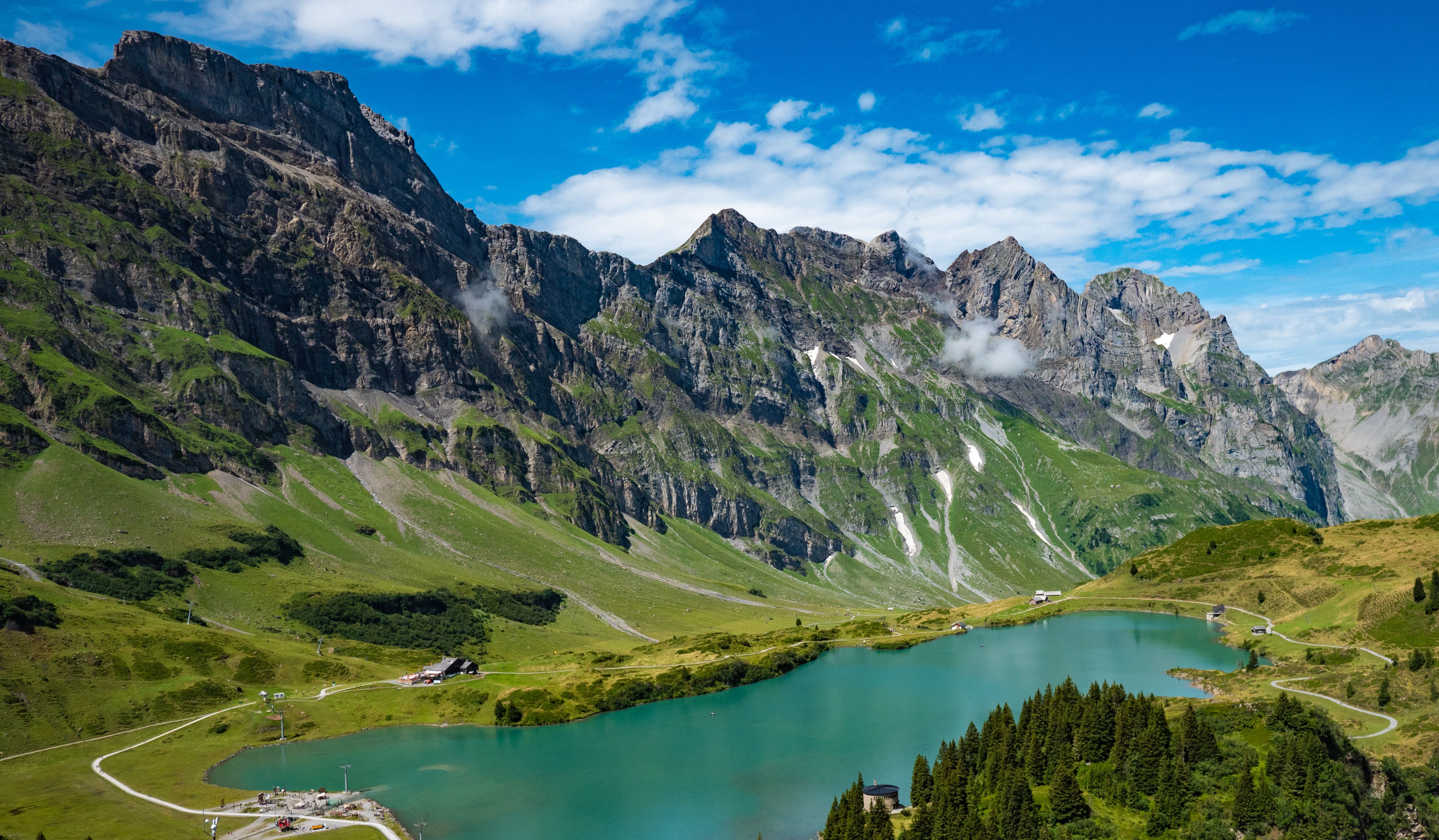
Summer in the Swiss lowlands is brutal. Temperatures push 30°C, trail crowds spike, and many of us abandon weekend hiking altogether. But you don't have to. High altitude, deep shade, and open air exist within a few hours' drive, each offering genuine relief for hikers willing to think strategically.
We've curated three cooling strategies for beginner backpackers. Chase altitude and water — high-altitude alpine lakes offer a climb and a cold-water reward, plus a 5–10°C temperature drop from the valleys. Slip into limestone gorges where forest canopy and canyon shade create natural cool zones. Or venture to open alpine meadows where wind and exposure at 1,800+ metres bring relief and unobstructed views.
In this guide, we've compiled real destinations from Wanderungen.ch — Switzerland's professional hiking database — with practical trail options for beginners. No technical mountaineering, no guesswork — just accessible routes that happen to be naturally cool. Pick your cooling strategy below and explore.
Alpine Lakes of the Bernese Oberland
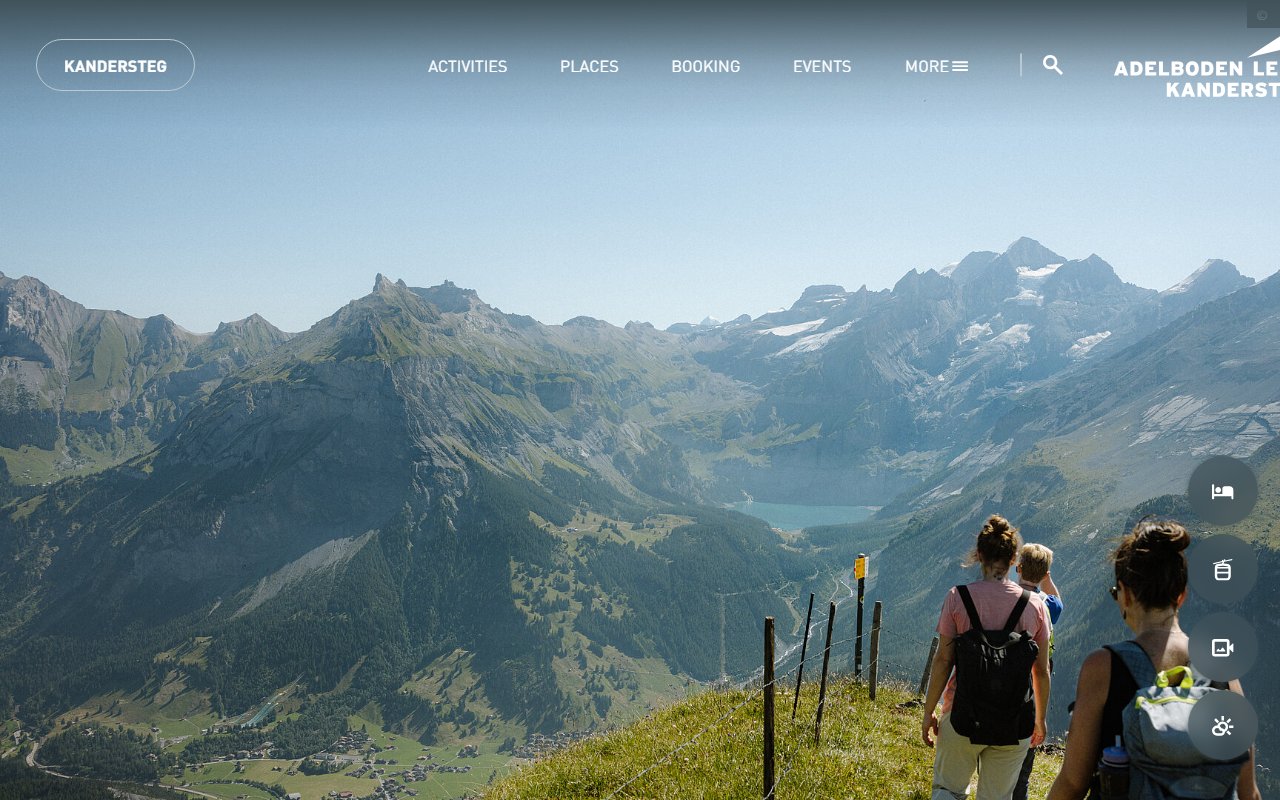
Kandersteg sits at 1,200 metres in the Bernese Oberland, and on a hot July weekend it already feels 5–8°C cooler than the Mittelland. The real prize is Oeschinensee — a glacier-carved lake at 1,578 metres ringed by 2,000-metre limestone walls that block afternoon sun and keep the water a bracing 14–16°C well into August.
The official tourism routes give beginners a real choice. The shortest circular trail comes in at 1h55 — manageable for most fitness levels and a genuine afternoon trip. If you want more elevation and a longer ridge walk, the 3-hour variant adds a higher viewpoint before dropping back to the lake. The MagicBlue Pass gondola from Kandersteg village gives you a head start on the climb, cutting out the steepest ascent section if you prefer to save your legs for the lakeside circuit.
What makes Oeschinensee work for summer hiking specifically is the combination of altitude gain and water reward. You earn the cool air through the climb, and the lake is there at the top — not a decorative backdrop but something you can wade into. Bring a packable towel and swimming shorts; most hikers do. Pack weight matters on the gondola too — this is exactly the kind of day hike where trimming your base load pays off in comfort on the climb back down.
Kandersteg village has a train station on the BLS line from Bern (under 1.5 hours), making this one of the most car-free accessible alpine lake destinations in Switzerland.
Limestone Gorge Trails of the Jura
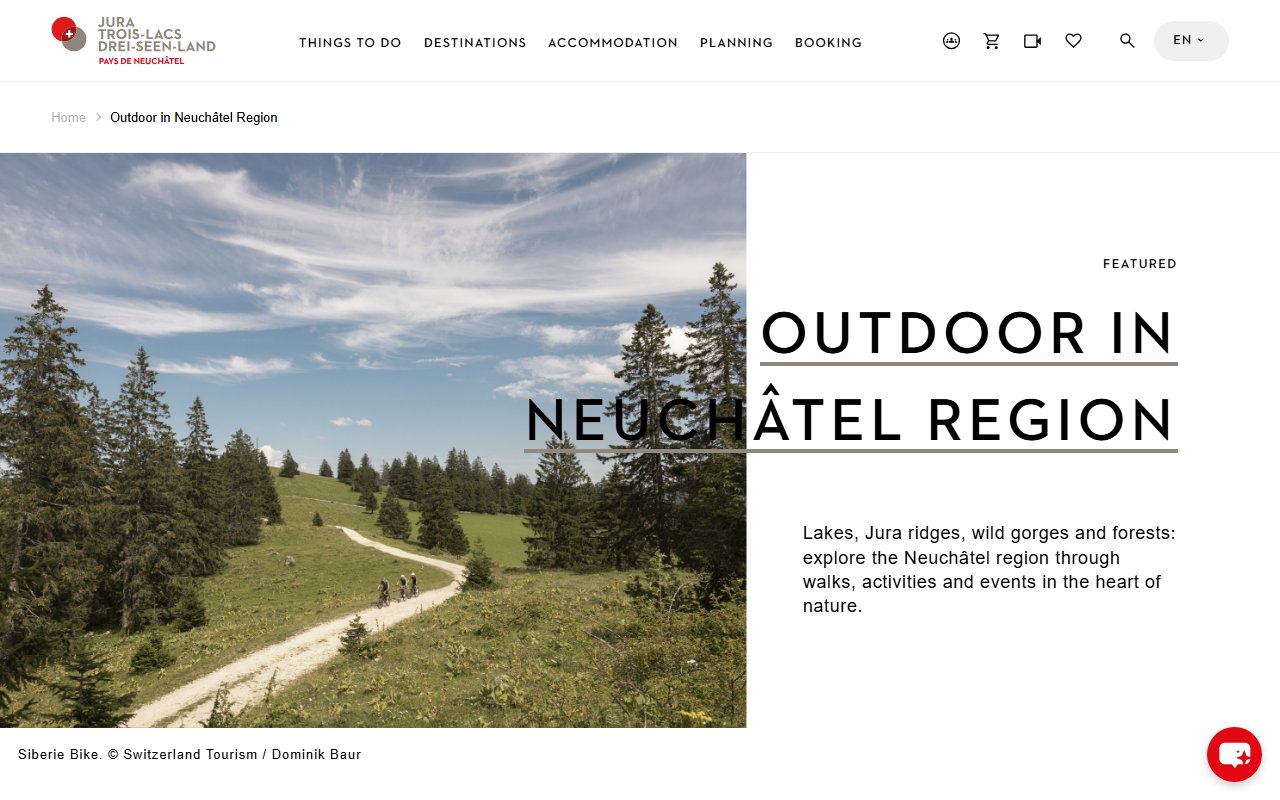
The Jura isn't alpine — no glaciers, no 3,000-metre summits — but it offers something the high mountains can't always deliver in summer: consistent, deep shade. The limestone gorges of the Neuchâtel region act as natural air conditioning systems. Narrow canyon walls, persistent stream moisture, and a closed forest canopy combine to hold temperatures 8–12°C below the surrounding plateau even at midday.
The Areuse Gorges trail, running from Noiraigue to Boudry, is the benchmark. The full route covers around 14 km of riverside trail through a canyon that barely sees direct sunlight for most of the day. The path hugs the riverbank, crossing bridges and ducking under rock overhangs, with no technical difficulty — just sustained shade and the sound of fast water. You finish at Boudry with a train connection back to Neuchâtel, making it a clean point-to-point with no car logistics.
Creux du Van is a different proposition — a 1,200-metre semicircular rock cirque, sometimes called the "Jura Grand Canyon," reached by a steep but well-marked trail from Noiraigue or Môtiers. The approach climbs through cool beech forest before breaking out onto the rim. Wind funnels through the cirque naturally, and the elevation (around 1,460 m at the rim) keeps temperatures honest even on hot days.
For summer hikers prioritising relief without altitude, the Jura gorge network is underrated. Both trails are accessible by regional train from Neuchâtel — no car needed.
High Alpine Meadows of the Appenzell Region
The Alpstein massif above Appenzell is compact but genuinely high — Säntis peaks at 2,502 metres — and the hiking network in between is one of the best-developed in eastern Switzerland. On a hot summer day, the meadow trails between 1,400 and 1,800 metres offer something the lowlands can't: consistent wind, open sky, and the kind of air that makes you remember why you go hiking in the first place.
Three mountain lakes sit within the rocky Alpstein terrain — Seealpsee (1,143 m), Fählensee (1,446 m), and Sämtisersee (1,223 m) — each reachable by trail from the valley without technical mountaineering. These aren't just scenic waypoints; they're natural rest stops with cold clear water and, at Seealpsee and Fählensee, mountain inns where you can pick up a warm meal or a cold drink. There are 24 mountain inns across the Alpstein trail network in total — which matters for day hikers who want to travel light.
Trail difficulty spans a wide range. Yellow-signposted valley hikes keep beginners on solid ground, while white-red-white mountain trails open up the higher ridges for those with more experience. The grading is honest and well-maintained.
Car-free access is practical here. Appenzell Railways and PostBus connections serve the main valley trailheads from St. Gallen and Herisau, so you can leave the car behind and hike point-to-point without backtracking. A gear tracker like PackLite is genuinely useful when planning a multi-inn traverse — you can build your kit list against the specific route distance and ascent before you leave.
These three destinations cover the full spectrum of Swiss summer relief. Altitude and cold water at Oeschinensee. Gorge shade and river coolness in the Jura. High meadow wind and mountain inn hospitality in the Appenzell Alpstein. All three are beginner-accessible, all three are reachable by public transport, and none require technical mountaineering skills.
The practical difference between a good summer day out and an exhausting slog often comes down to pack weight — especially when you're climbing in heat. Use PackLite to trim your gear list before you go. It's free to start, and your knees will thank you on the descent.
This article contains links to regional Swiss tourism websites and external hiking resources. Always verify current trail conditions, weather forecasts, and local regulations before departing. Alpine weather changes rapidly — bring appropriate layers and safety equipment. Swimming in alpine lakes can be cold — assess your comfort level and skills before diving in.